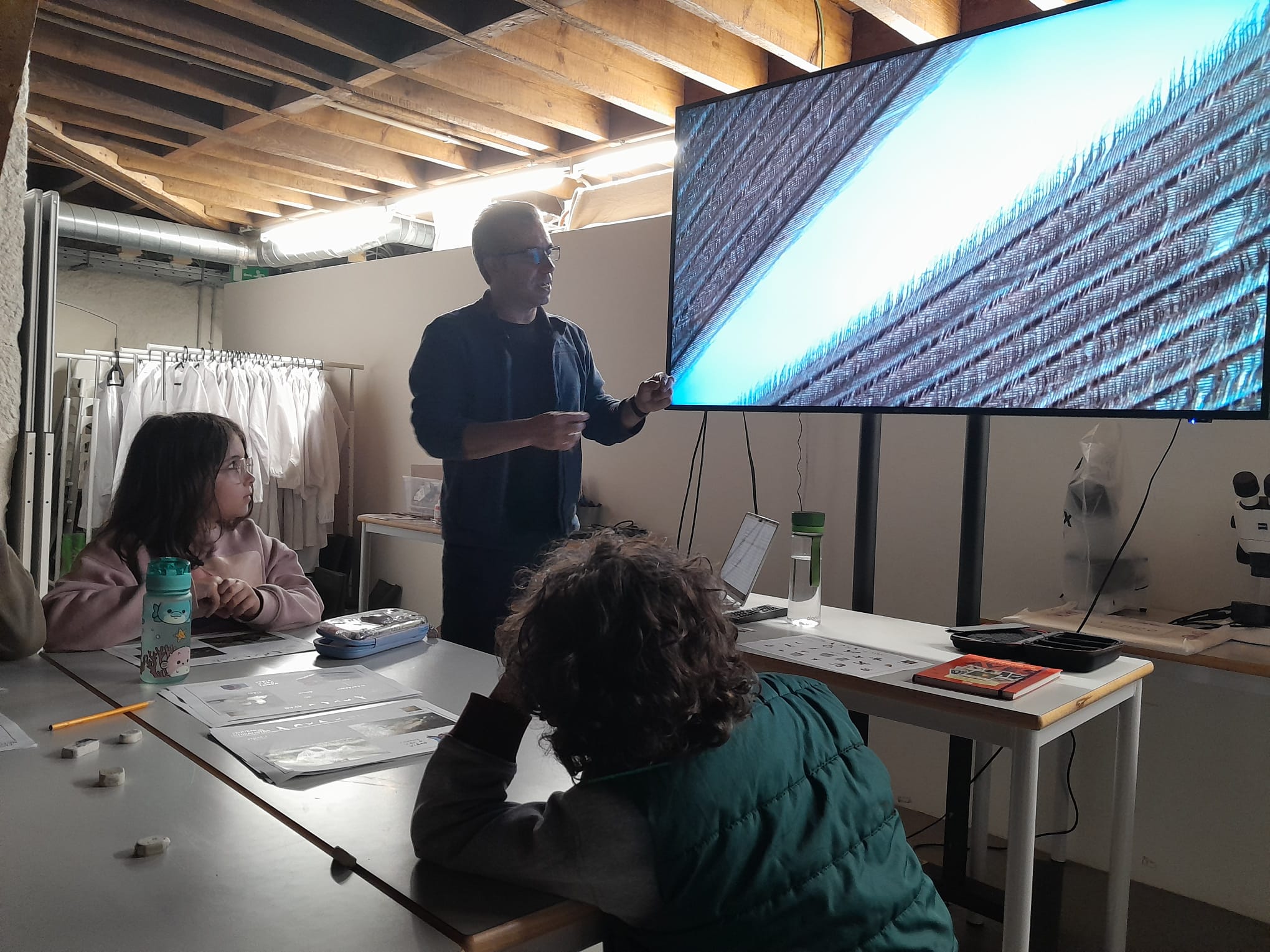
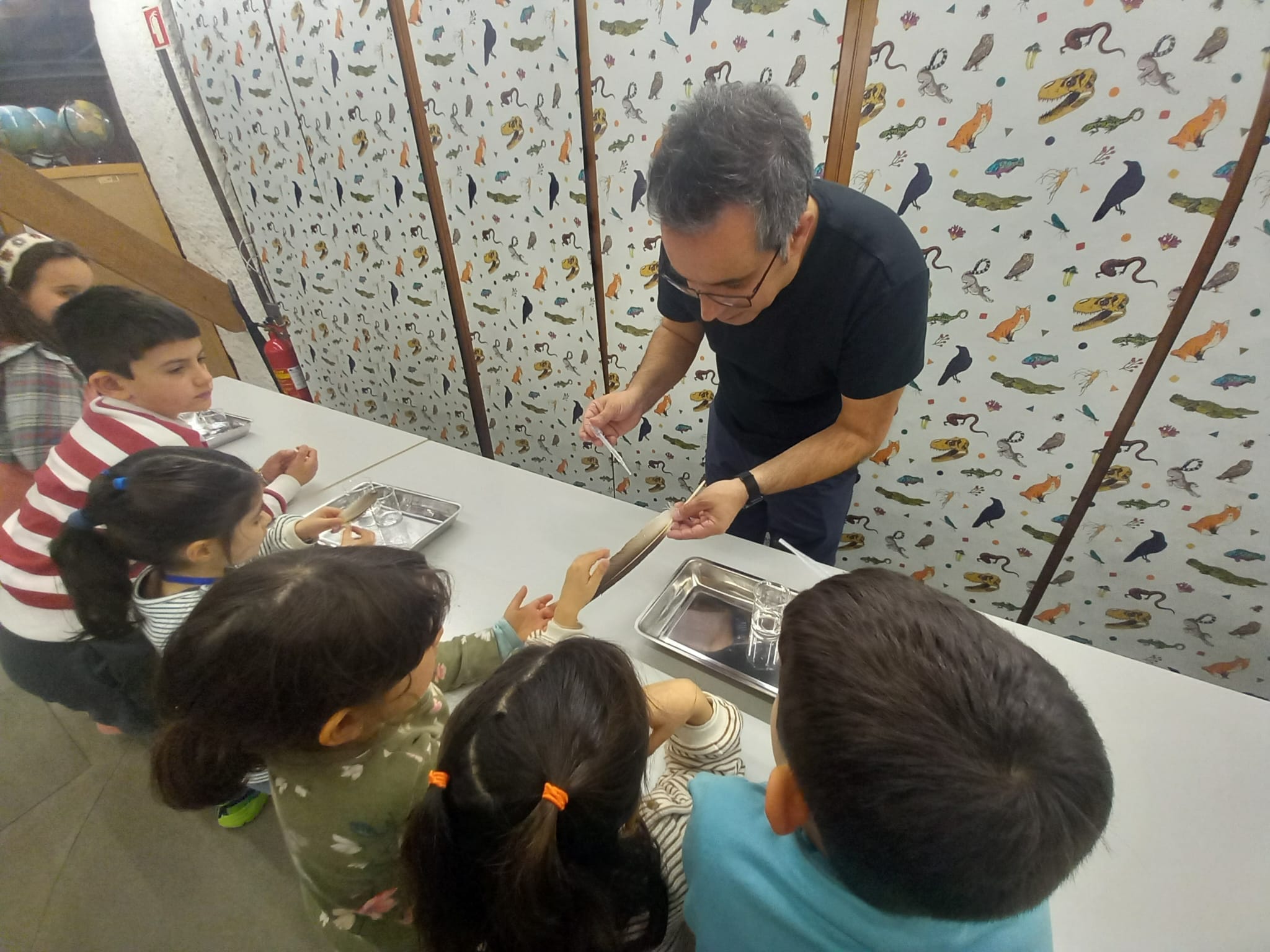
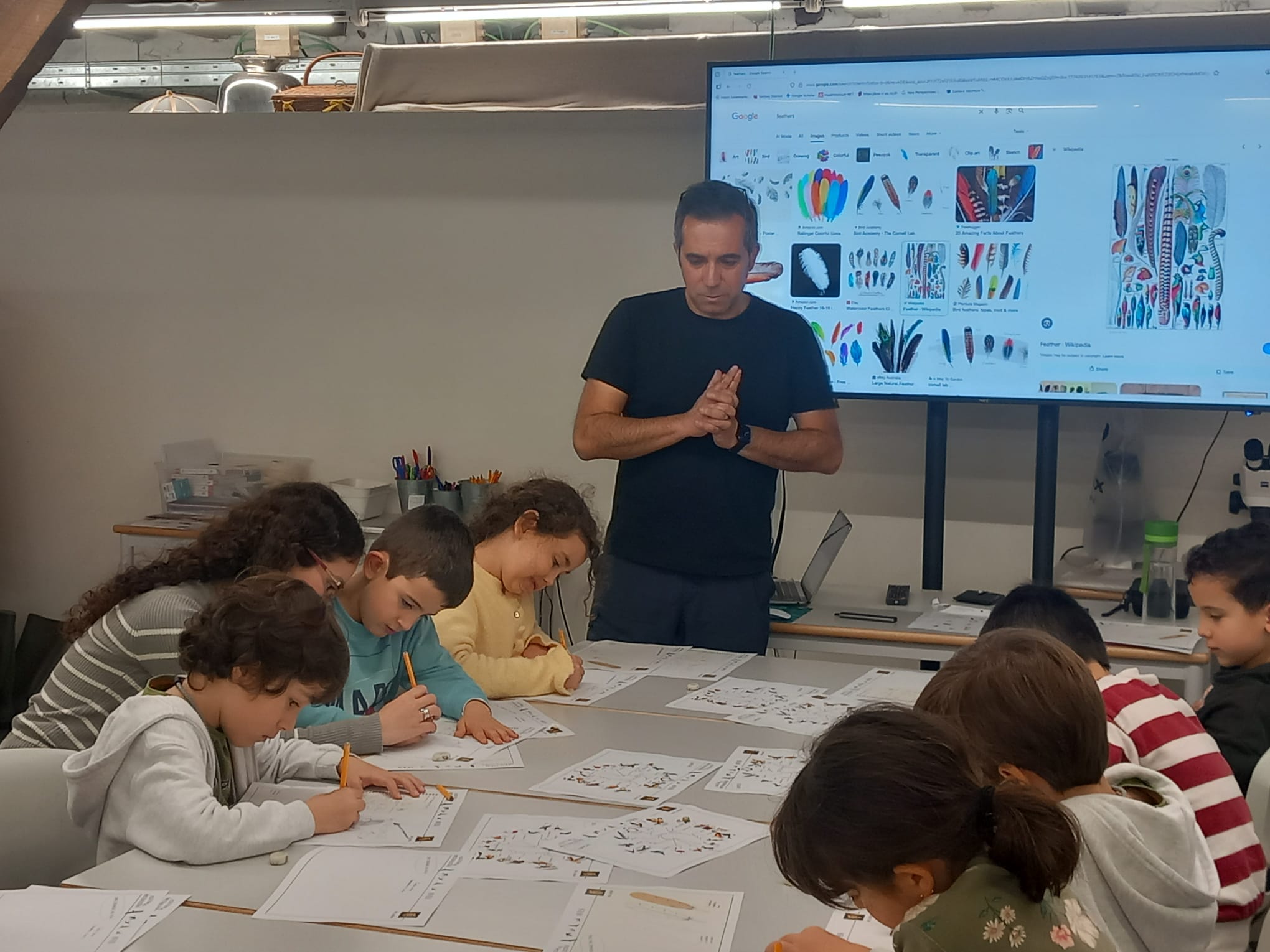
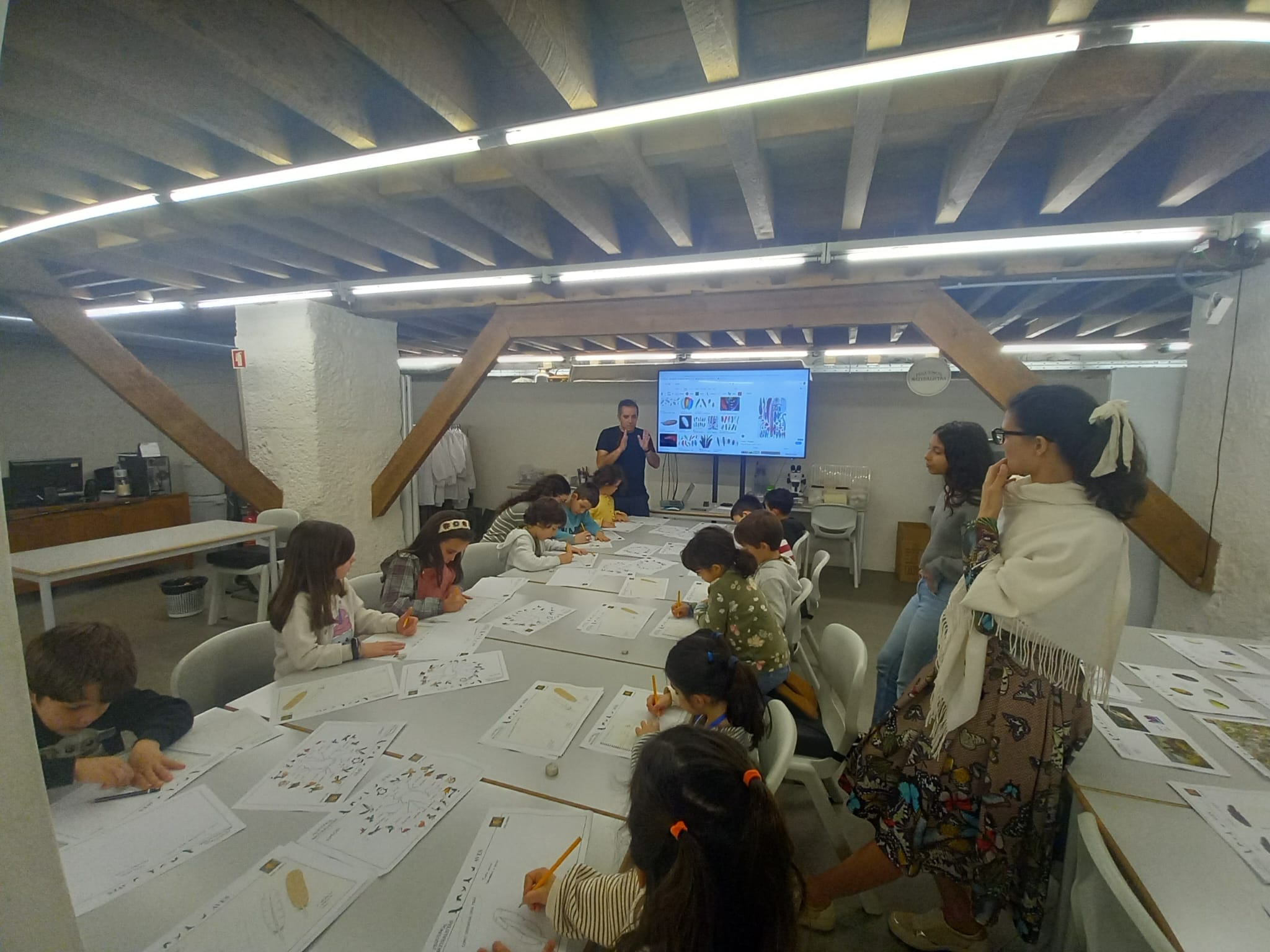
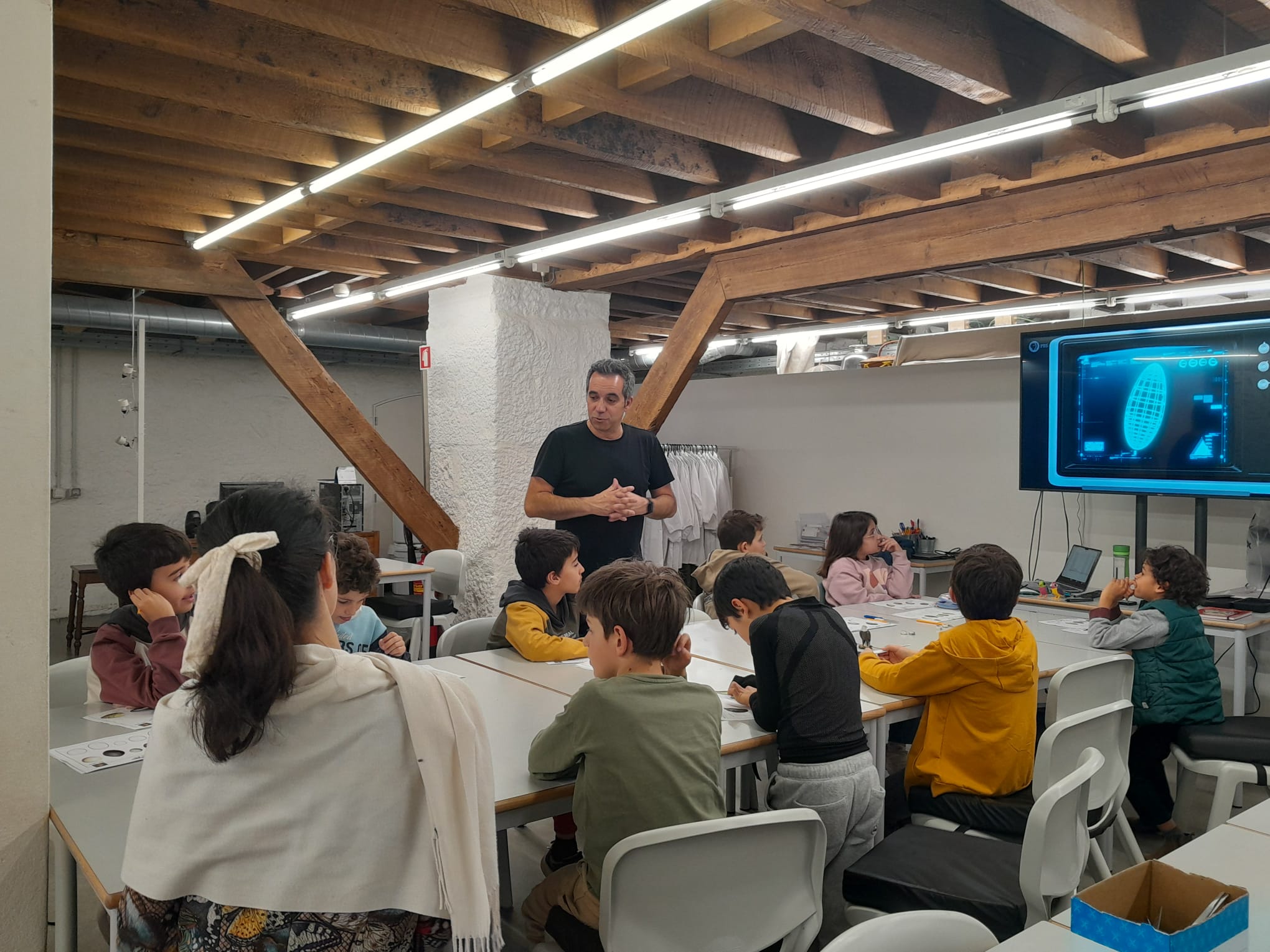
During the second half of March, every Saturday, the Little Naturalists explored the world of birds at the Biodiversity Hall and Botanical Garden of the University of Porto. They delved into the fascinating universe of birds, observing and describing their diverse features: beaks, feet, wings, feathers, and eggs in all colors, shapes, and sizes. They also studied bird anatomy, behavior, and their remarkable, sometimes surprising vocalizations. Through engaging games and guided activities, they learned how to classify birds into groups based on shared characteristics, what is really an egg shape, and why feathers are truly so amazing!


A truly engaging experience, transmitting some of my knowledge on birds to these amazing small naturalists. Photo credits for MHNC-UP.

Again, another year counting waterbirds for the International Waterbird Census (IWC), a special year that celebrated 60 years of census worldwide. This year was rather difficult, due to the storms that went through Portugal all January. But, with the help of the really accurate weather models, we did manage to find some windows of opportunity to count not only the Mondego Estuary, but also Cávado and Ave Estuaries. You can see some of the stories of the volunteers in this mini-portal.

These counts are then incorporated at the Portuguese National Census of Wintering Aquatic Birds and at the IWC, run by Wetlands Internacional. It is also a great to way to stay in touch with some of my fellow observers, Tiago Múrias and Luis Pascoal da Silva, both from the University of Porto (CIBIO-BIOPOLIS), that also share my passion for this estuary and these birds.
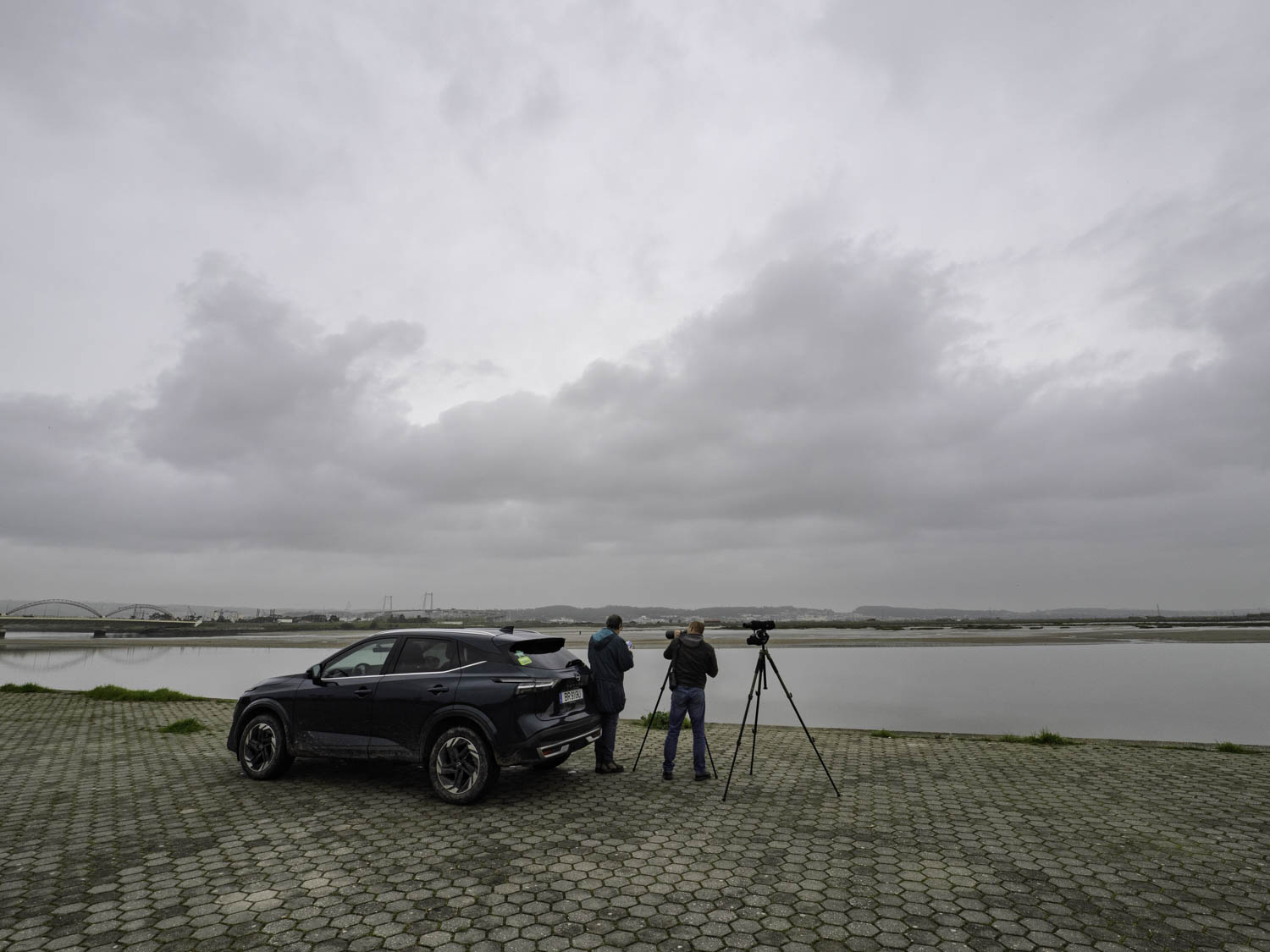
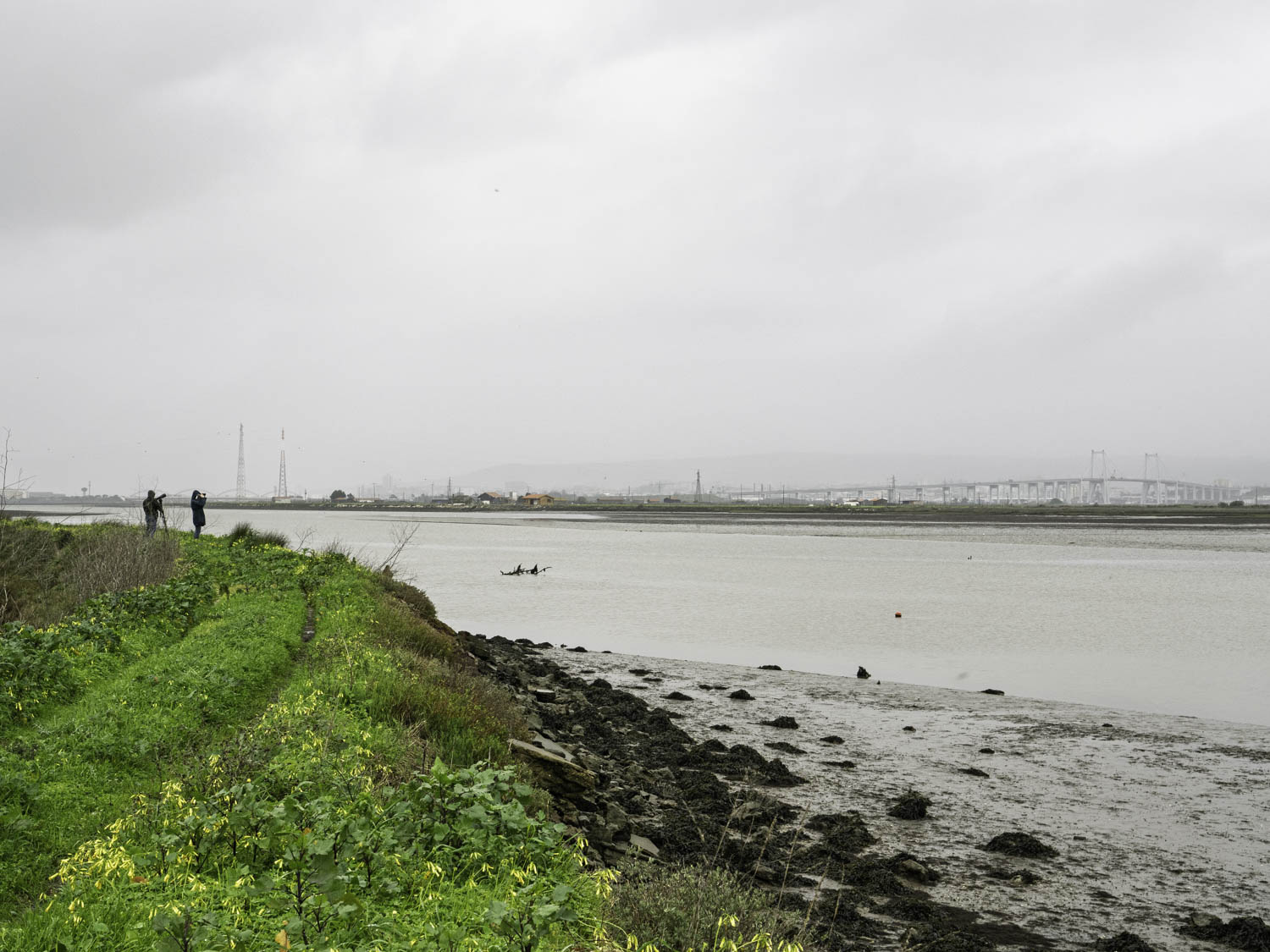


The south arm mudflats at the Mondego estuary harbour such a great diversity of shorebirds and other aquatic birds. It was fantastic to see so many ospreys in our line of sight!
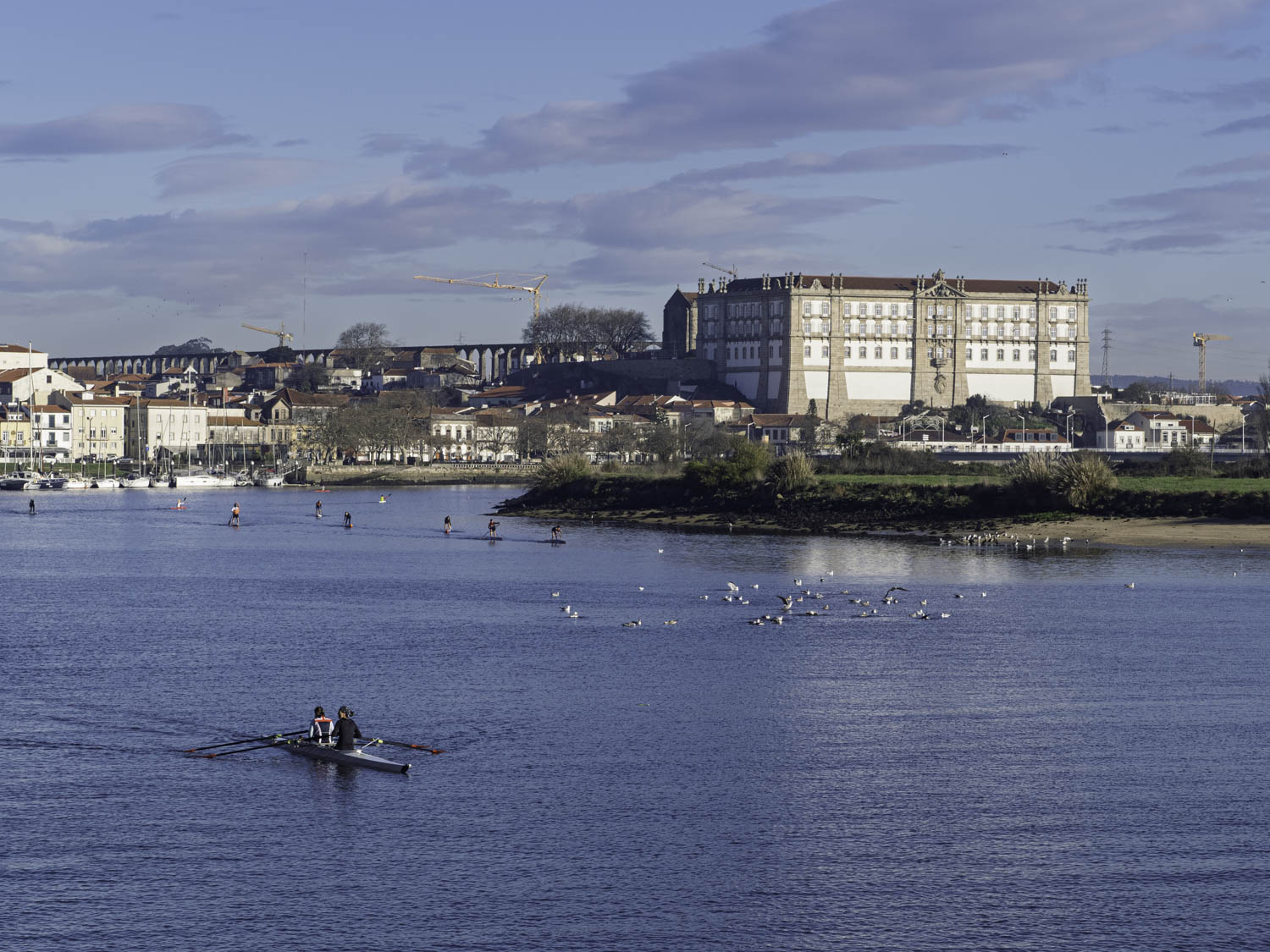


The Ave estuary at the lovely town of Vila do Conde. A small waterbird community that share the river with so many human activities.
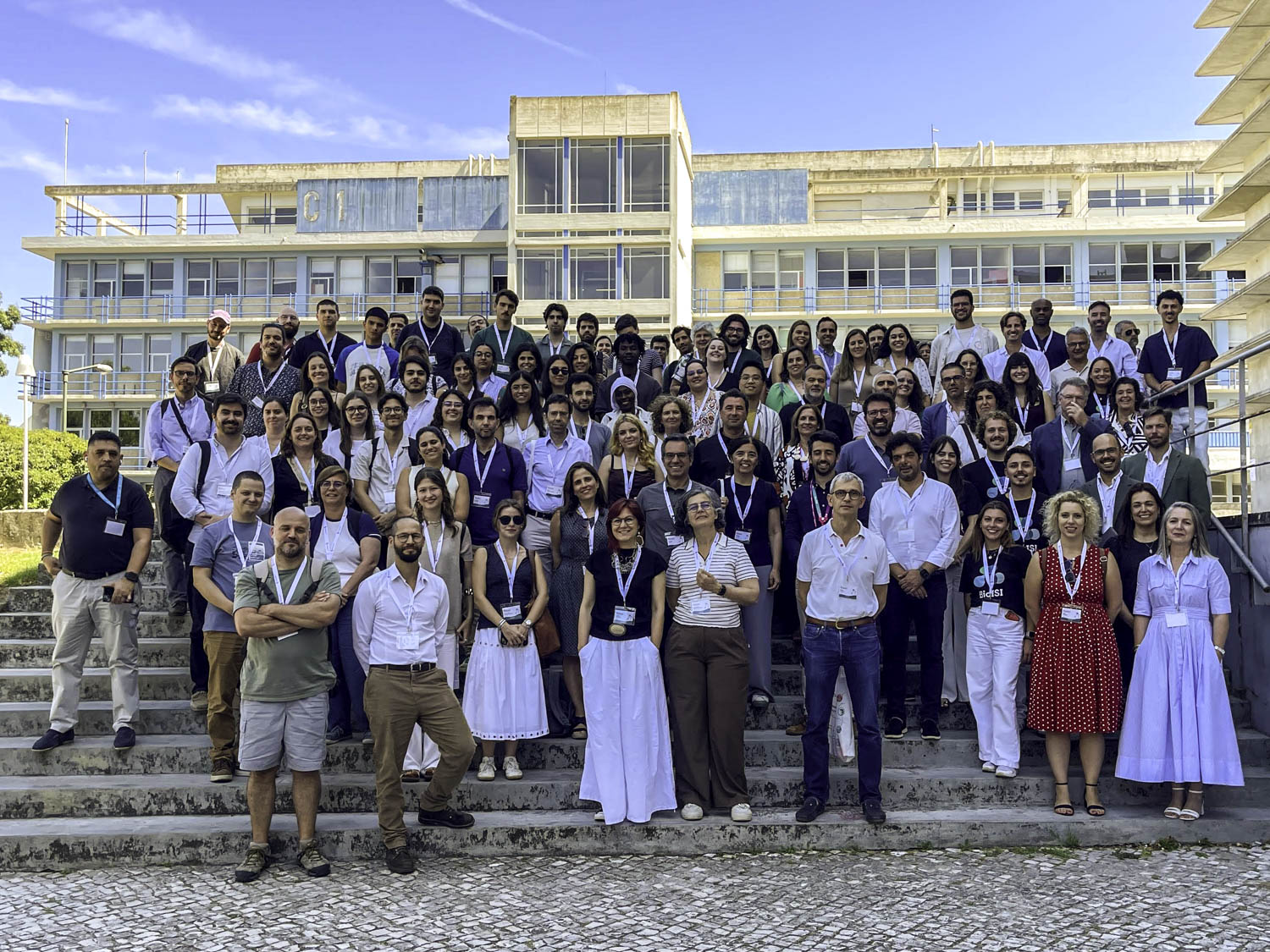
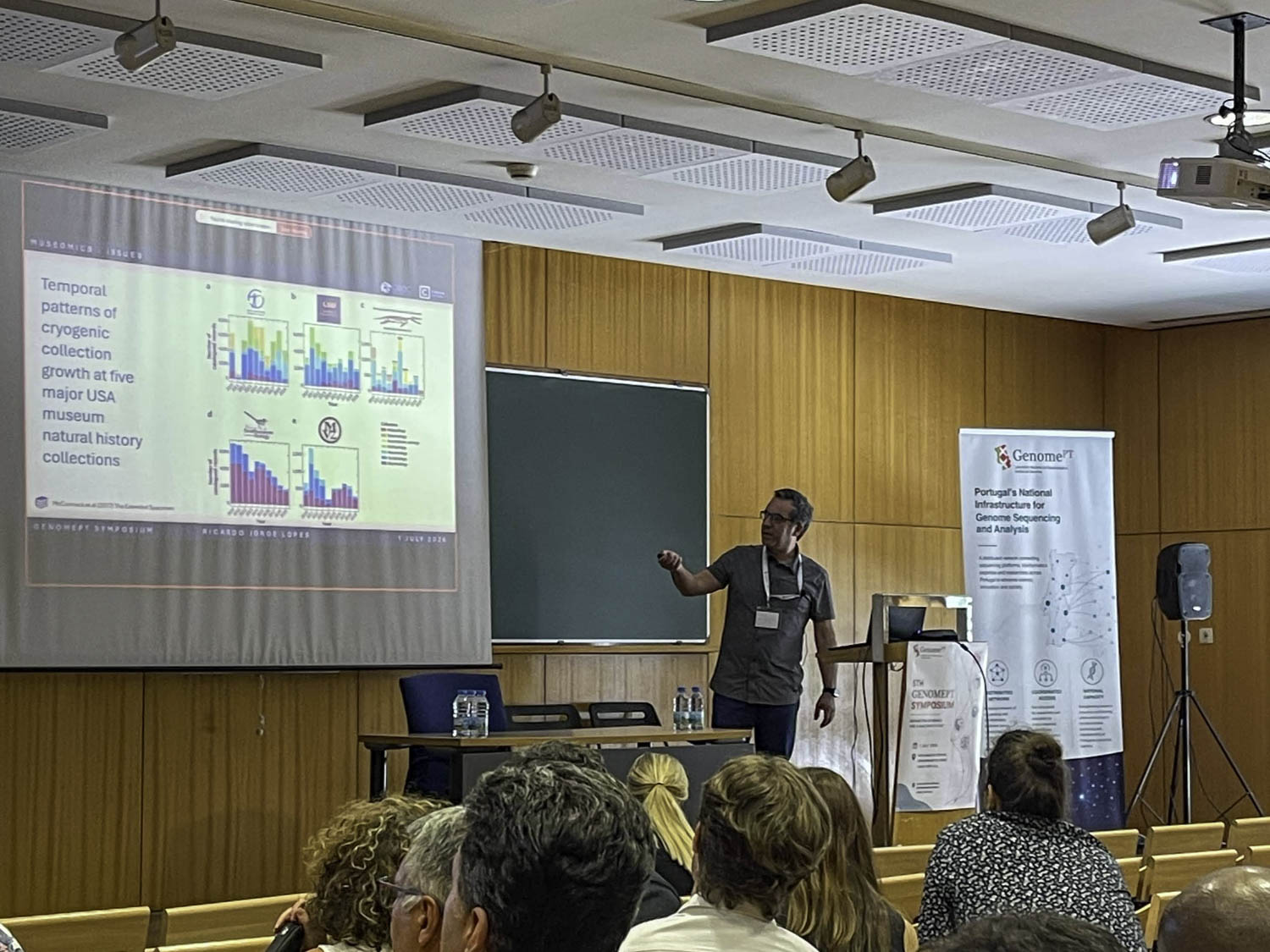
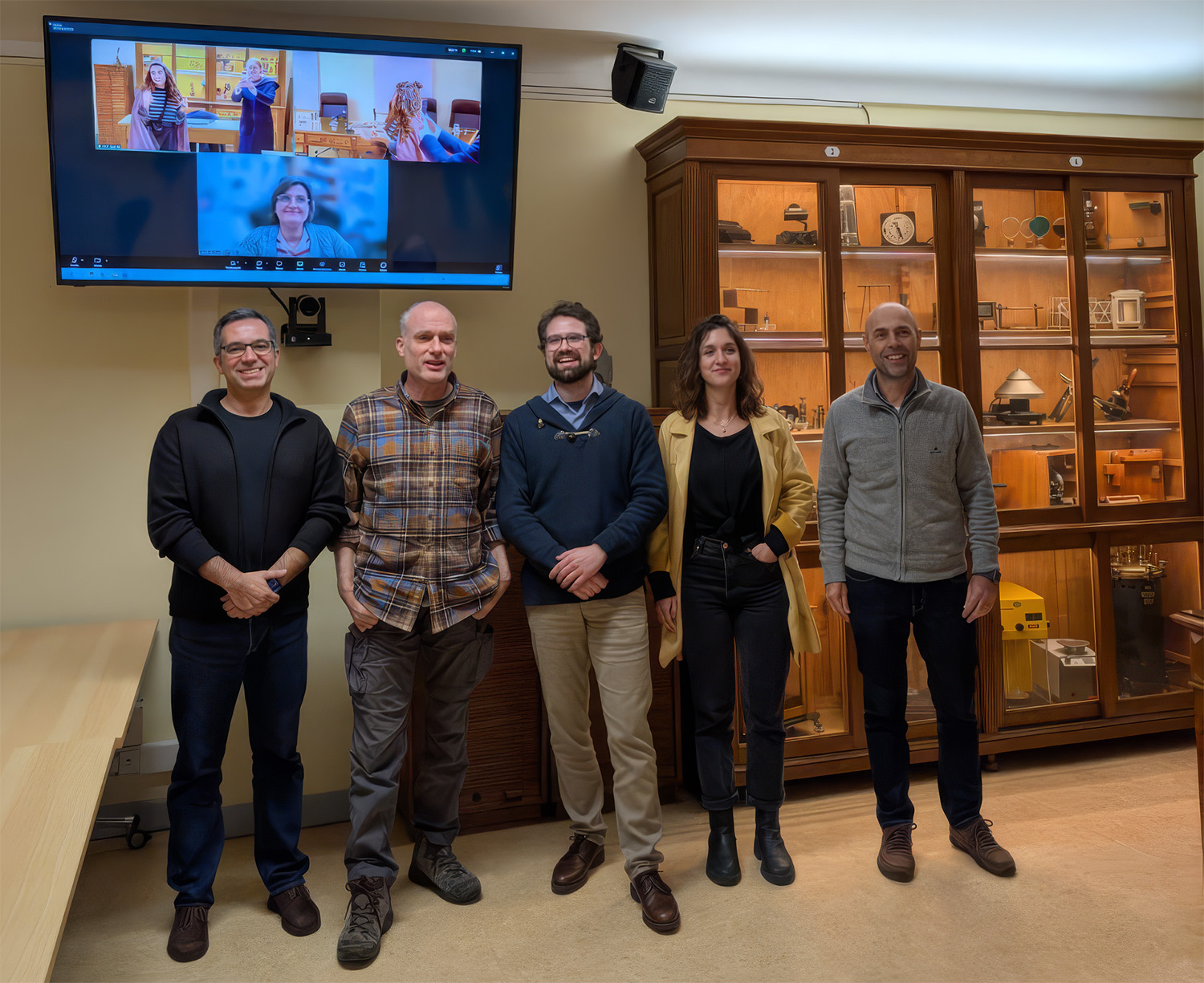
Joaquim did his PhD on Hepatozoon parasites on reptiles, close cousins of avian malaria. He defended his Viva at the University of Porto and it was nice to discuss how methodologies that are common on avian malaria research can be expanded to other haemosporidian research.


Joaquim, with his supervisor, James Harris[https://www.cibio.up.pt/en/people/details/david-james-alexander-edward-harris/], the rest of the juri, including myself, all quite happy for being part of this journey.

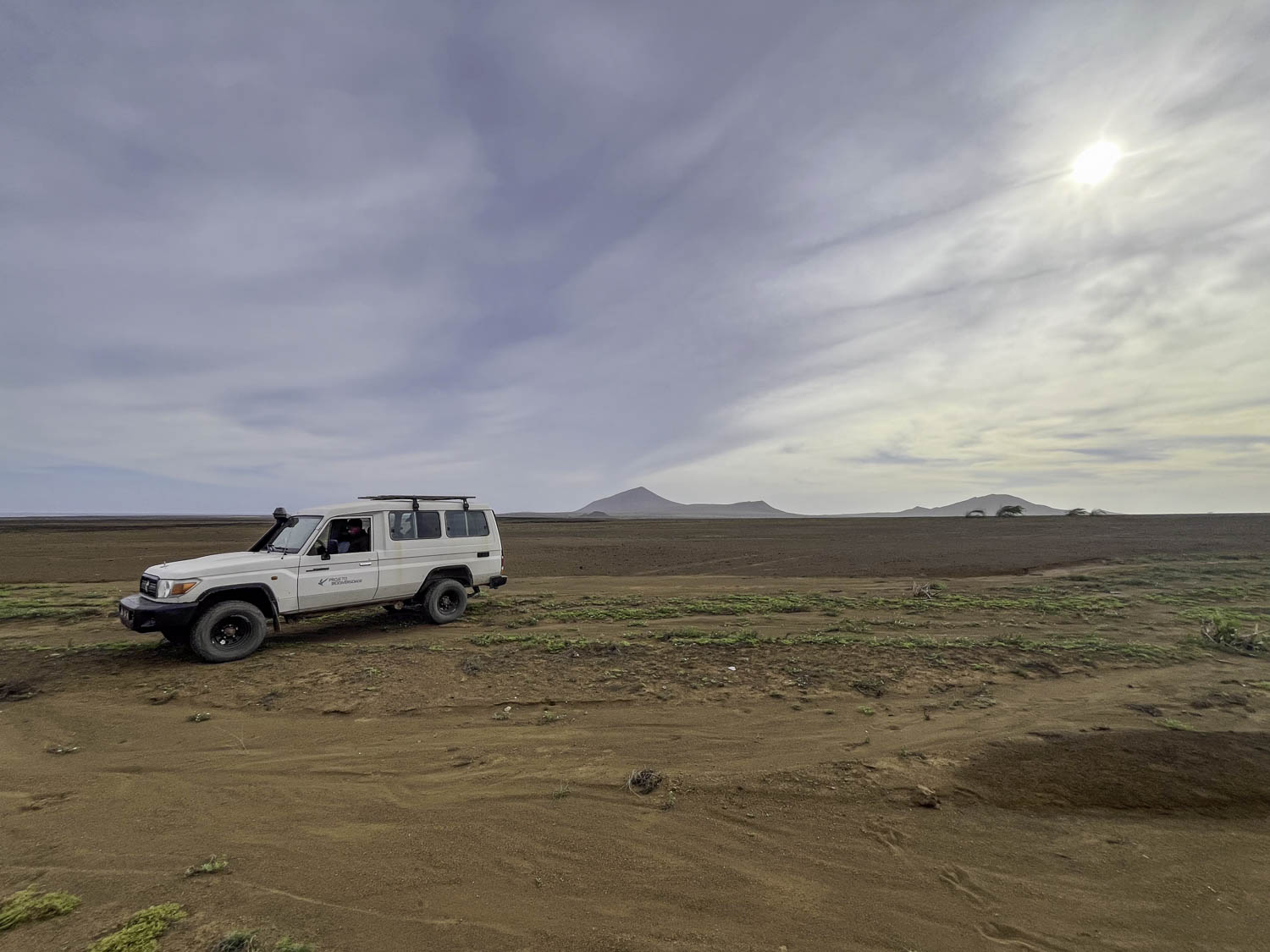
A productive week collecting sound samples from passive audio loggers, for our ongoing project on soundscapes and on the evaluation of birdsong for the long term monitoring of avian abundance in Cabo Verde. Many thanks for the help of the NGO Project Biodiversity, especially Albert, Maldini, Dorivaldo and Bruno.


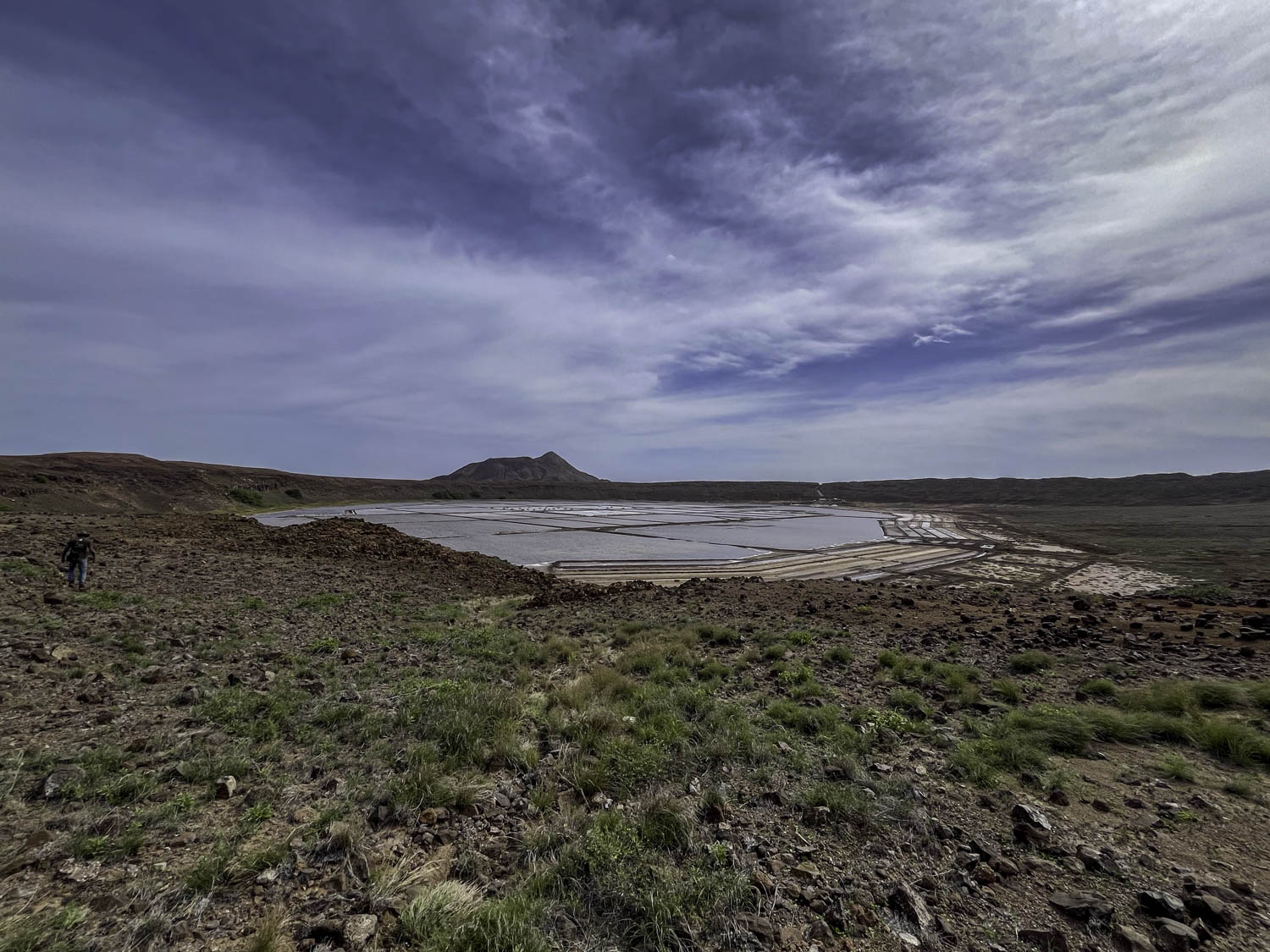
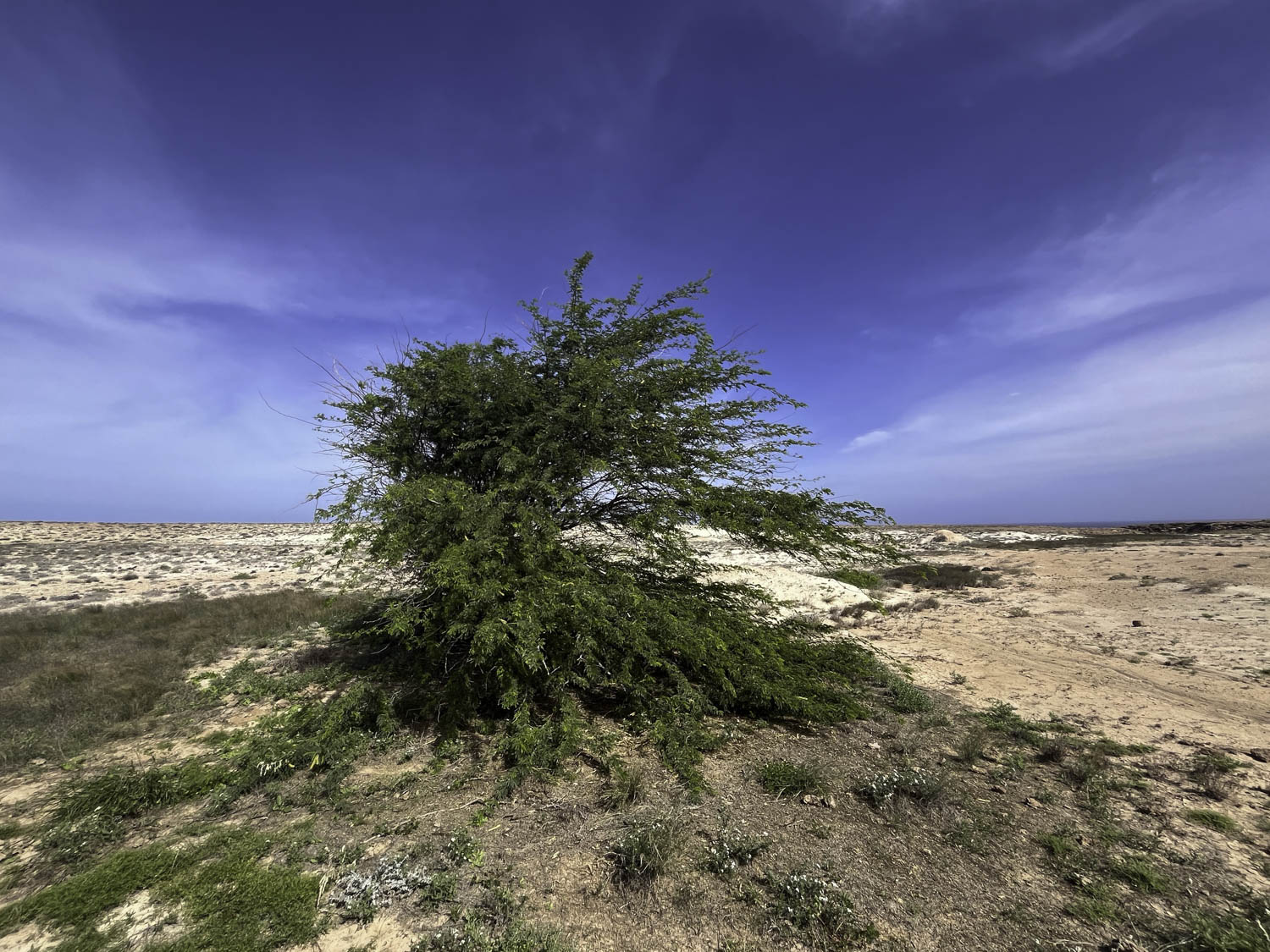
The landscape of Sal Island, challenging habitats for many avian breeding species.

Ana finished her Master in Toxicology and Environmental Contamination at the University of Porto after a successful viva, where James Harris conducted an excelent discussion.


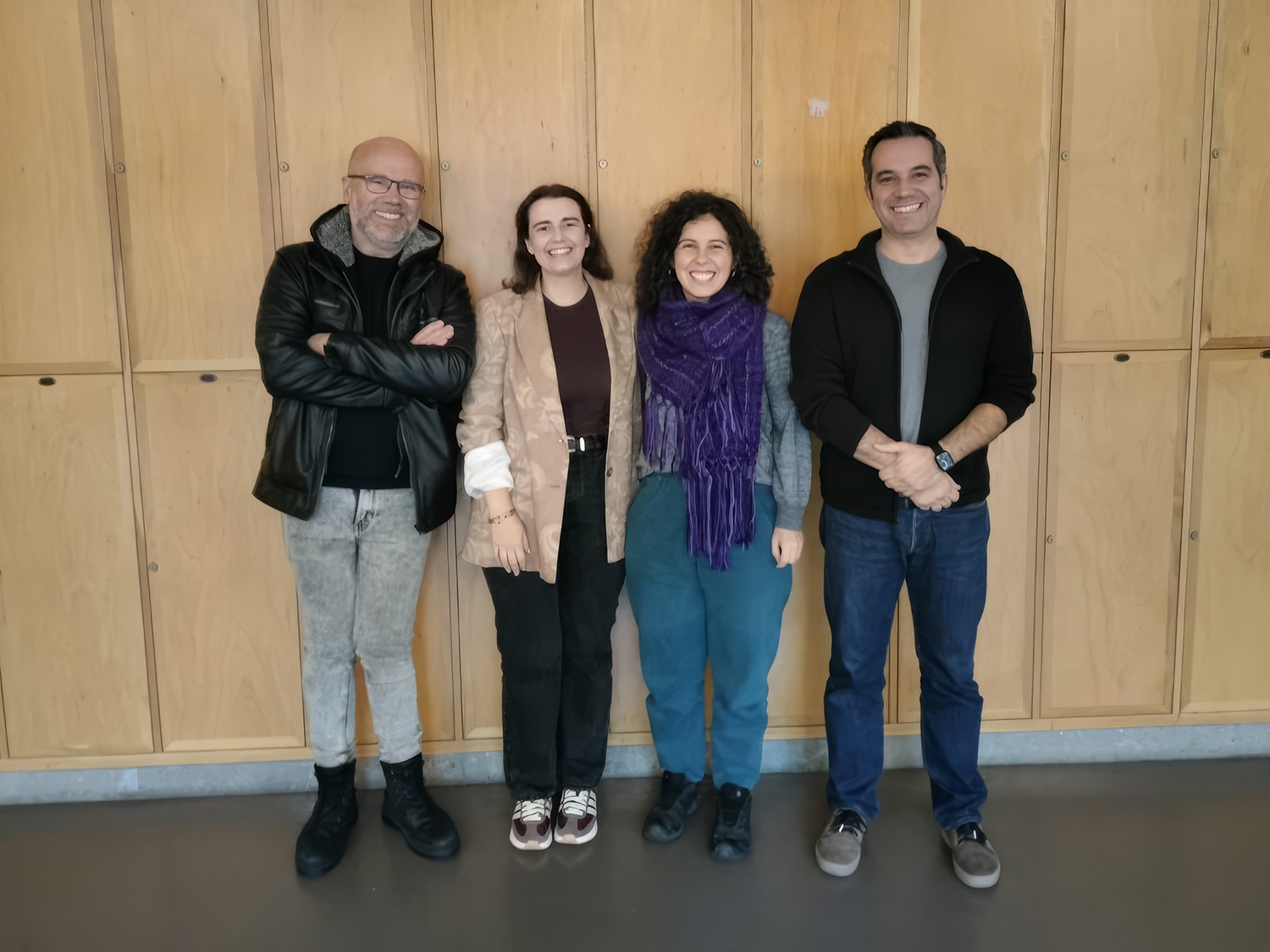
Ana, her supervisors, Giulia Simbula, myself, and Miguel Carretero, all quite happy for being part of this journey.

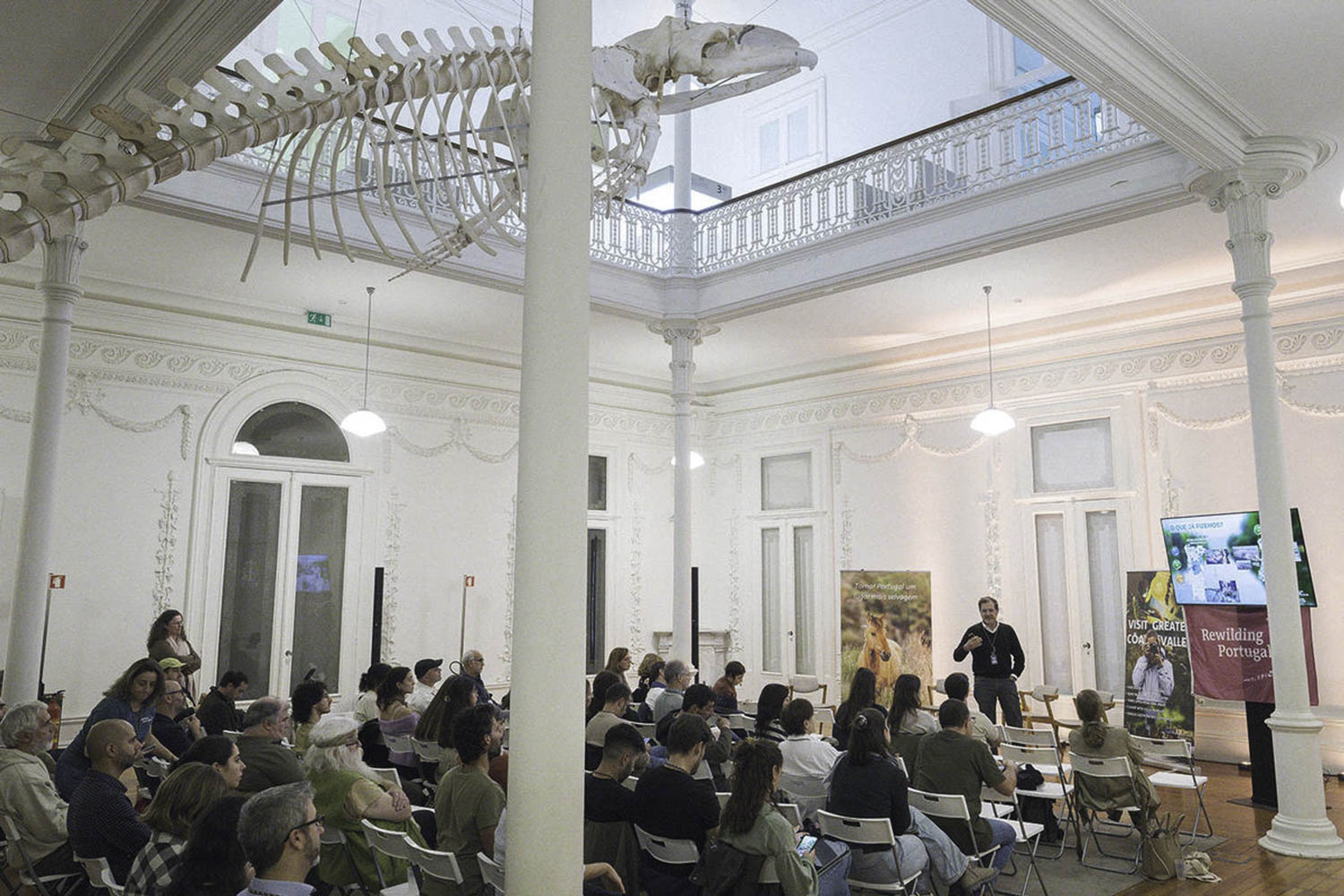
With great pleasure, I accepted the invitation to talk in the 2nd National Rewilding Symposium about successful stories of reintroductions in the Iberian Peninsula, that also included talks about the Iberian Lynx (Lynx pardinus) and the Osprey (Pandion haliaetus). I talked about one of my earliest projects, the reintroduction of the Purple Swamphen (Porphyrio Porphyrio) at the center of Portugal. This initiative significantly increased the species’ chances of survival in Portugal.


Under the shoulder of a giant, a great day talking about biodiversity at the Biodiversity Hall of the Museum of Natural History and Science of the University of Porto.

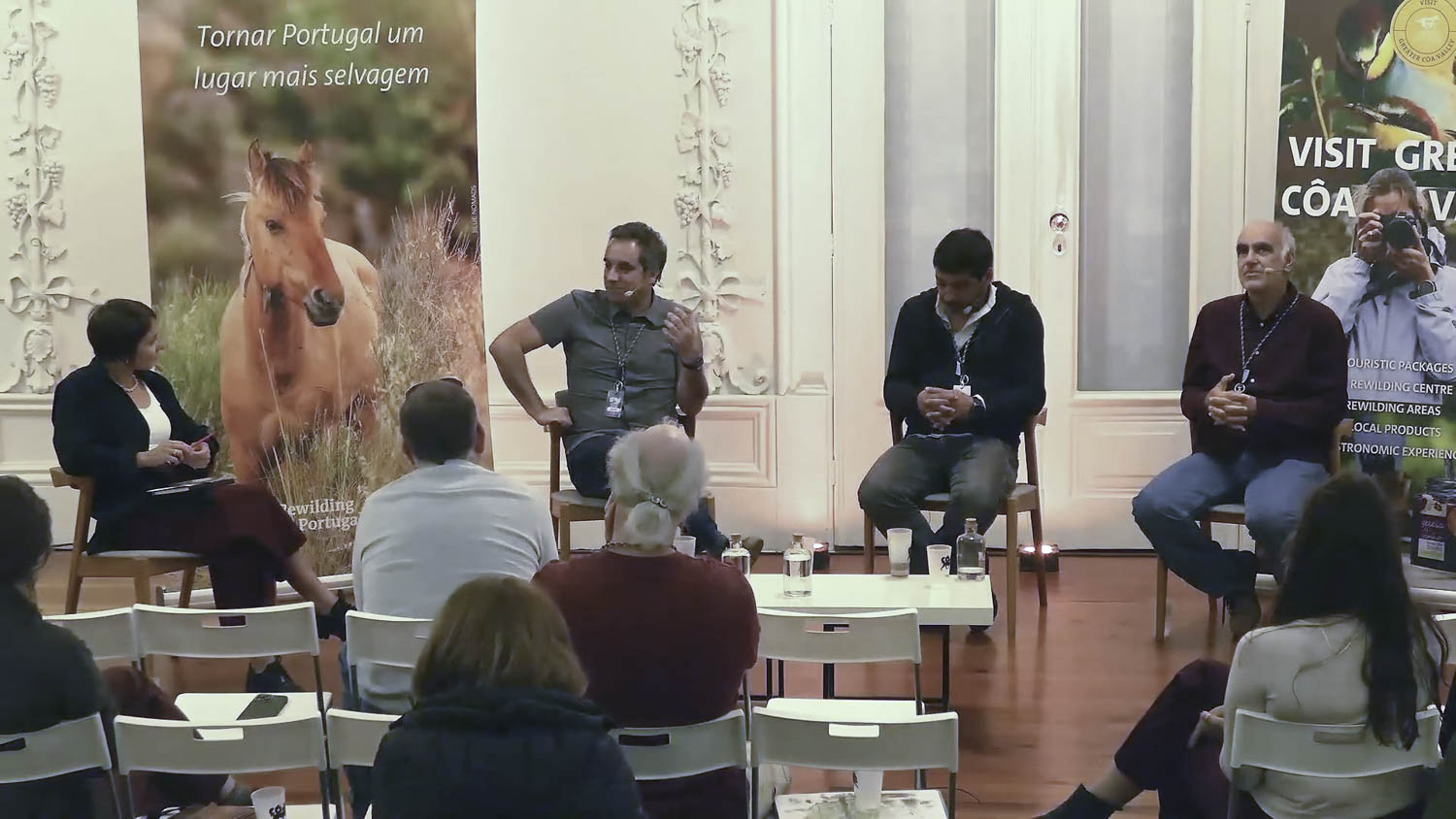
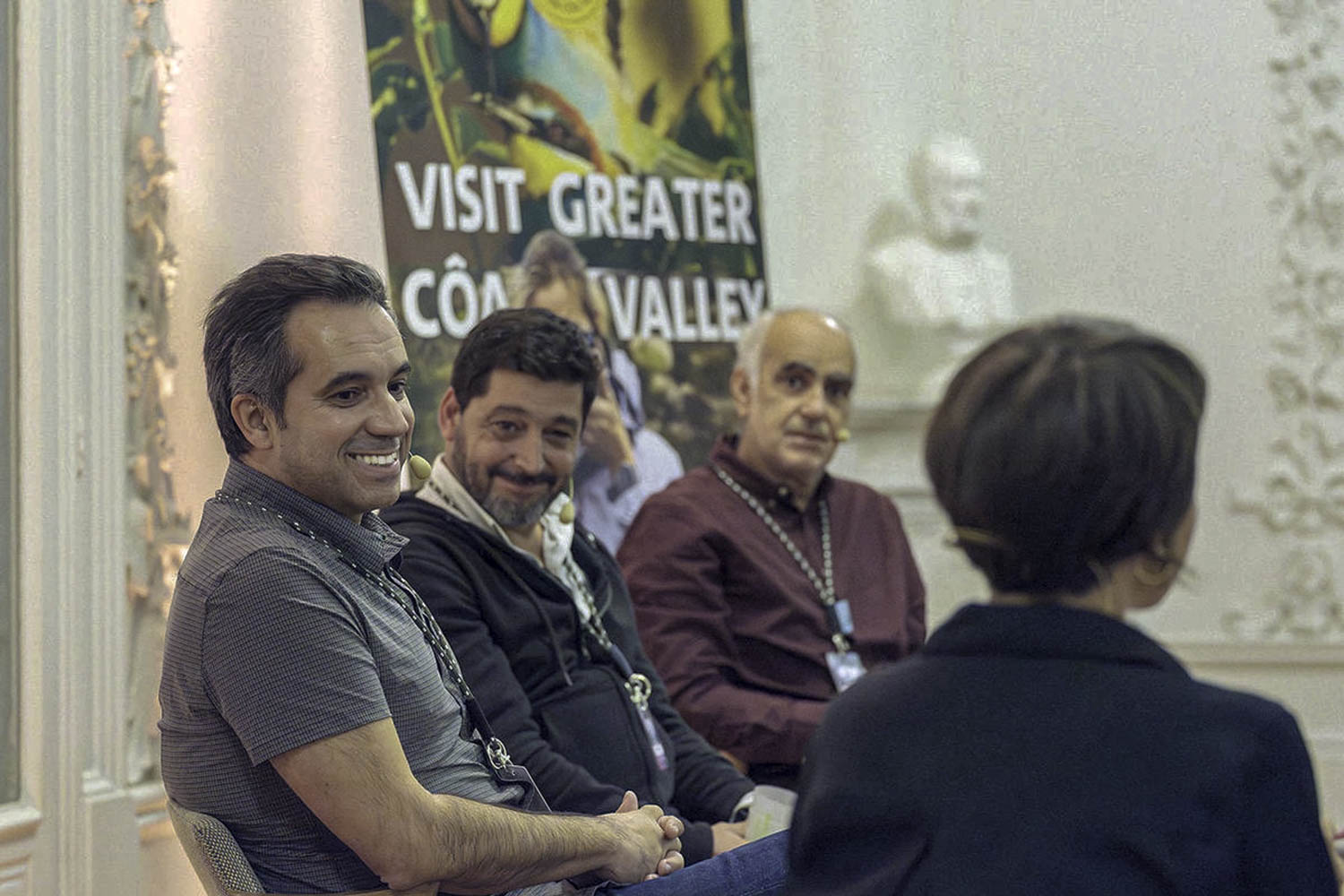
A dialogue between the artists Andrea Paz, Francisco Lourenço, Pablo Quiroga Devia, Paula König and Tiago Rocha Costa and me and the Curator of Natural Sounds Collection, Paulo Marques, moderated by Sofia Marçal.

In the context of the exhibition [“Coro Verde”] (https://www.museus.ulisboa.pt/coro-verde) that showed their works on the relation between the city and the exotic species that live in this environment, with a strong emphasis on the rose-ringed parakeet Psittacula krameri.


At the MUHNAC, a nice talk about exotic species in Lisbon and how several artists showed that interaction through their works.

The 11th Frontiers in E3, CE3C’s Annual Meeting, was held at the University of the Azores, in the Campus of Ponta Delgada. A fantastic opportunity to share knowledge between members of CE3C and to discuss new ways to collaborate internally. We talked about our decades of work in Azores and Nadito talked about how he is going to profit from the budget that was awarded by the members of CE3C to his phd fieldwork.


Gathering CE3C members in one island, at the middle of the ocean. Fantastic talks and new ideas of partnerships.


It was hard to condense all the research that we have done since 2005 in the Azores Islands.


Nadito presented his plans for the next months of fieldwork.


The excursion was really lucky with the weather!